Our mission to bring mini organic farms into suburb yards is
Red Currants
Red Currants
Red Currants
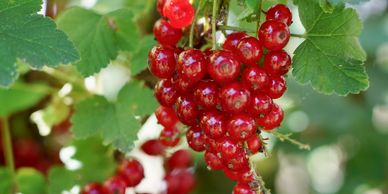
Red currants are small berries packed with vitamin C, antioxidants, fiber, potassium, and small amounts of vitamin K. Together, these nutrients support anti-inflammatory activity and healthy cellular function.
Vitamin C helps neutralize harmful molecules called free radicals. This reduces oxidative stress, which is a major trigger of inflammation. It also supports collagen production, helping maintain strong skin, blood vessels, and connective tissue.
Polyphenols (plant antioxidants that give red currants their color) help calm inflammatory pathways inside cells. They also activate the body’s own antioxidant defense systems, helping cells protect themselves more efficiently rather than relying only on external antioxidants.
Fiber supports gut health. When gut bacteria ferment fiber, they produce compounds that reduce inflammation and strengthen the intestinal lining. A healthier gut lowers systemic inflammation throughout the body.
Potassium supports proper cell fluid balance and electrical signaling, helping cells maintain efficient energy production.
Overall Cellular Benefit
When consumed regularly, red currants may help:
- Lower chronic inflammation
- Reduce oxidative damage
- Support mitochondrial energy production
- Strengthen tissue repair
- Improve gut-driven immune balance
In simple terms, red currants help protect cells from stress, reduce inflammatory signaling, and support optimal cellular performance.
Gogi Berries
Red Currants
Red Currants
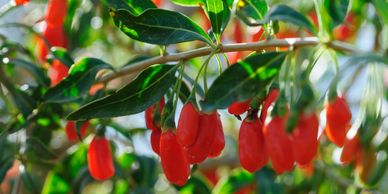
Goji berries (Lycium barbarum) are bright orange-red berries rich in vitamin C, carotenoids, polysaccharides, fiber, iron, and unique antioxidant compounds. Together, these nutrients support anti-inflammatory activity and cellular protection.
Vitamin C helps neutralize free radicals that contribute to oxidative stress and inflammation. It also supports collagen production and immune cell function, helping tissues repair and maintain structural integrity.
Carotenoids (especially zeaxanthin) act as powerful antioxidants that protect cell membranes from oxidative damage. They are particularly protective in tissues exposed to high oxidative stress, such as the eyes and skin, helping preserve cellular structure and function.
Goji polysaccharides (LBPs) are unique bioactive compounds that help regulate immune activity. They support antioxidant enzyme production inside cells, enhancing the body’s own defense systems and helping reduce inflammatory signaling.
Fiber supports gut health. When fermented by gut bacteria, fiber produces short-chain fatty acids that help lower systemic inflammation and strengthen the intestinal barrier.
Iron and trace minerals support oxygen transport and mitochondrial energy production, helping cells efficiently generate ATP.
Overall Cellular Benefit
When consumed regularly, goji berries may help:
- Lower oxidative stress
- Calm inflammatory signaling
- Support immune balance
- Protect cell membranes
- Enhance mitochondrial energy production
In simple terms, goji berries help protect cells from damage, regulate inflammation, and support efficient energy production for overall cellular optimization.
Elderberries
Red Currants
Elderberries
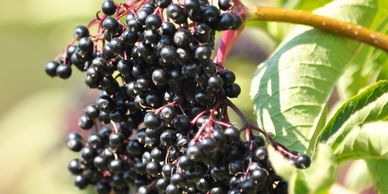
Elderberries (Sambucus nigra) are deep purple berries rich in vitamin C, anthocyanins, flavonoids, fiber, and small amounts of vitamin A and potassium. Together, these nutrients strongly support anti-inflammatory activity and cellular protection.
Vitamin C helps neutralize free radicals that trigger oxidative stress and inflammation. It also supports immune cell activity and collagen production, helping maintain tissue strength and repair.
Anthocyanins (the pigments that give elderberries their dark color) are potent antioxidants. They help reduce oxidative damage inside cells and calm inflammatory signaling pathways. These compounds support the body’s own antioxidant defense systems, improving cellular resilience.
Flavonoids help regulate immune responses. They reduce the production of pro-inflammatory cytokines and support balanced immune activation, which is important for preventing chronic inflammation.
Fiber supports gut health. When fermented by gut bacteria, fiber produces compounds that help lower systemic inflammation and strengthen the gut barrier, reducing inflammatory stress throughout the body.
Vitamin A and potassium support immune regulation, membrane stability, and proper cellular electrical balance, helping cells function efficiently.
Overall Cellular Benefit
When consumed regularly (properly prepared), elderberries may help:
- Reduce oxidative stress
- Lower inflammatory signaling
- Support balanced immune responses
- Protect cell membranes from damage
- Promote efficient cellular repair
In simple terms, elderberries help shield cells from oxidative damage, calm inflammation, and strengthen immune-related cellular defenses for improved overall cellular function.
Mullberries
Honeysuckle Berries
Elderberries
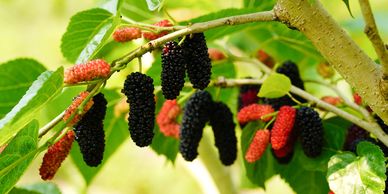
Mulberries (Morus alba and Morus nigra) are nutrient-rich berries containing vitamin C, iron, resveratrol, anthocyanins, fiber, and small amounts of vitamin K and potassium. Together, these compounds support anti-inflammatory activity and healthy cellular metabolism.
Vitamin C helps neutralize free radicals that drive oxidative stress and inflammation. It also supports collagen production and immune cell function, helping maintain tissue strength and repair.
Anthocyanins (the pigments in darker mulberries) act as powerful antioxidants. They help reduce oxidative damage inside cells and calm inflammatory signaling pathways, protecting cellular structures such as membranes and DNA.
Resveratrol is a plant compound that supports cellular stress resistance. It helps regulate inflammatory pathways and may activate proteins involved in mitochondrial efficiency and cellular longevity, supporting better energy production.
Iron supports oxygen transport in the blood. Adequate oxygen delivery is essential for efficient mitochondrial ATP production, helping cells generate energy without excess oxidative stress.
Fiber supports gut health. When fermented by gut bacteria, fiber produces short-chain fatty acids that help lower systemic inflammation and strengthen the intestinal barrier.
Overall Cellular Benefit
When consumed regularly, mulberries may help:
- Reduce oxidative stress
- Calm inflammatory signaling
- Support mitochondrial energy production
- Improve oxygen delivery to cells
- Strengthen gut-driven immune balance
In simple terms, mulberries help protect cells from damage, regulate inflammation, and support efficient energy production for optimized cellular performance.
Gooseberries
Honeysuckle Berries
Honeysuckle Berries
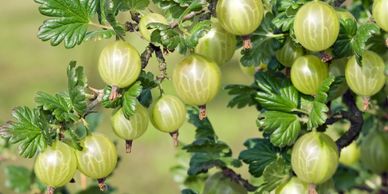
Gooseberries (Ribes uva-crispa and Phyllanthus emblica in the case of amla/Indian gooseberry) are nutrient-dense fruits rich in vitamin C, polyphenols, fiber, and small amounts of vitamin A, potassium, and manganese. Together, these nutrients support anti-inflammatory activity and cellular protection.
Vitamin C is especially abundant (particularly in amla). It helps neutralize free radicals that trigger oxidative stress and inflammation. It also supports collagen production, immune cell activity, and tissue repair, strengthening structural integrity at the cellular level.
Polyphenols (including flavonoids and tannins) act as powerful antioxidants. They help calm inflammatory signaling pathways inside cells and support the activation of the body’s own antioxidant defense systems, improving cellular resilience.
Fiber supports gut health. When fermented by beneficial gut bacteria, fiber produces short-chain fatty acids that help reduce systemic inflammation and strengthen the intestinal barrier, lowering inflammatory stress throughout the body.
Vitamin A and trace minerals (like manganese) support cellular metabolism, antioxidant enzyme function, and proper regulation of immune responses.
Potassium helps maintain healthy fluid balance and electrical signaling across cell membranes, supporting efficient nutrient transport and energy production.
Overall Cellular Benefit
When consumed regularly, gooseberries may help:
- Reduce oxidative stress
- Lower inflammatory signaling
- Support collagen and tissue repair
- Strengthen gut-derived immune balance
- Improve mitochondrial energy efficiency
In simple terms, gooseberries help protect cells from oxidative damage, regulate inflammation, and support strong, efficient cellular function throughout the body.
Honeysuckle Berries
Honeysuckle Berries
Honeysuckle Berries
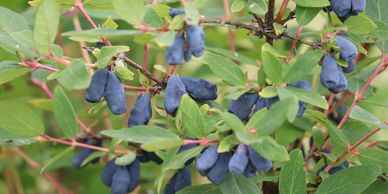
Honeysuckle berries (often from Lonicera caerulea, also called haskap or blue honeysuckle) are deeply colored berries rich in vitamin C, anthocyanins, polyphenols, fiber, and small amounts of potassium and iron. Together, these compounds support anti-inflammatory activity and cellular protection.
Vitamin C helps neutralize free radicals that contribute to oxidative stress and inflammation. It also supports collagen production and immune cell function, strengthening tissues and aiding repair at the cellular level.
Anthocyanins (responsible for the dark blue-purple color) are potent antioxidants. They help reduce oxidative damage inside cells and calm inflammatory signaling pathways, protecting cell membranes, proteins, and DNA from stress-related damage.
Polyphenols support the activation of the body’s internal antioxidant systems. They help regulate inflammatory pathways and improve cellular resilience, reducing chronic inflammatory load.
Fiber supports gut health. When fermented by beneficial gut bacteria, fiber produces short-chain fatty acids that help lower systemic inflammation and strengthen the intestinal barrier.
Potassium and iron support healthy cellular metabolism. Potassium maintains proper cell membrane balance and signaling, while iron supports oxygen delivery for efficient mitochondrial energy production.
Overall Cellular Benefit
When consumed regularly, honeysuckle berries may help:
- Reduce oxidative stress
- Calm inflammatory signaling
- Protect cellular structures
- Support mitochondrial energy production
- Strengthen gut-driven immune balance
In simple terms, honeysuckle berries help protect cells from oxidative damage, reduce inflammation, and support efficient energy production for overall cellular optimization.
Blueberries
Strawberries
Strawberries
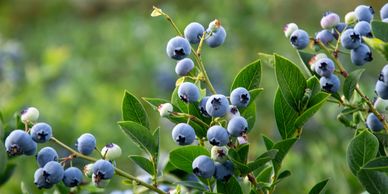
Blueberries (Vaccinium corymbosum and Vaccinium angustifolium) are antioxidant-rich berries packed with vitamin C, anthocyanins, fiber, vitamin K, and manganese. Together, these nutrients strongly support anti-inflammatory activity and cellular optimization.
Vitamin C helps neutralize free radicals that drive oxidative stress and inflammation. It also supports collagen production and immune cell function, helping maintain tissue strength and repair.
Anthocyanins (the pigments that give blueberries their deep blue color) are powerful antioxidants. They help reduce oxidative damage inside cells and calm inflammatory signaling pathways. These compounds also activate the body’s own antioxidant defense systems, improving cellular resilience.
Fiber supports gut health. When fermented by beneficial gut bacteria, fiber produces short-chain fatty acids that help reduce systemic inflammation and strengthen the intestinal barrier.
Vitamin K supports proper calcium regulation and vascular health, helping reduce inflammatory stress on blood vessels.
Manganese plays a key role in mitochondrial antioxidant enzymes, supporting efficient energy production and protecting cells from oxidative damage.
Overall Cellular Benefit
When consumed regularly, blueberries may help:
- Lower oxidative stress
- Reduce inflammatory signaling
- Protect cellular membranes and DNA
- Support mitochondrial energy efficiency
- Strengthen gut-derived immune balance
In simple terms, blueberries help shield cells from damage, calm inflammation, and enhance energy production for improved overall cellular performance.
Strawberries
Strawberries
Strawberries
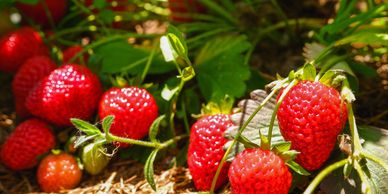
Strawberries (Fragaria × ananassa) are nutrient-dense berries rich in vitamin C, anthocyanins, ellagic acid, fiber, manganese, and small amounts of folate and potassium. Together, these compounds support anti-inflammatory activity and healthy cellular function.
Vitamin C is highly abundant in strawberries. It helps neutralize free radicals that trigger oxidative stress and inflammation. It also supports collagen production and immune cell function, strengthening tissues and aiding cellular repair.
Anthocyanins (the red pigments in strawberries) act as powerful antioxidants. They help reduce oxidative damage inside cells and calm inflammatory signaling pathways, protecting cell membranes and DNA.
Ellagic acid is a polyphenol with strong anti-inflammatory properties. It helps regulate cellular stress responses and supports the body’s internal antioxidant defense systems, improving cellular resilience.
Fiber supports gut health. When fermented by beneficial gut bacteria, fiber produces short-chain fatty acids that help reduce systemic inflammation and strengthen the intestinal barrier.
Manganese supports mitochondrial antioxidant enzymes, helping protect cells from oxidative damage while supporting efficient ATP production.
Overall Cellular Benefit
When consumed regularly, strawberries may help:
- Lower oxidative stress
- Reduce inflammatory signaling
- Protect cellular structures
- Support collagen formation and tissue repair
- Enhance mitochondrial energy efficiency
In simple terms, strawberries help protect cells from damage, calm inflammation, and support strong, efficient cellular performance.
Blackberries
Strawberries
Blackberries
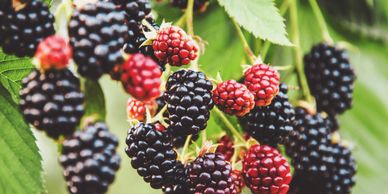
Blackberries (Rubus fruticosus) are deeply pigmented berries rich in vitamin C, anthocyanins, ellagic acid, fiber, vitamin K, and manganese. Together, these nutrients strongly support anti-inflammatory activity and cellular protection.
Vitamin C helps neutralize free radicals that contribute to oxidative stress and inflammation. It also supports collagen production and immune cell function, strengthening tissues and aiding cellular repair.
Anthocyanins (responsible for the dark purple-black color) are powerful antioxidants. They help reduce oxidative damage inside cells and calm inflammatory signaling pathways, protecting cell membranes, proteins, and DNA.
Ellagic acid is a polyphenol with anti-inflammatory properties. It helps regulate cellular stress responses and supports the activation of the body’s internal antioxidant defense systems, improving cellular resilience.
Fiber supports gut health. When fermented by beneficial gut bacteria, fiber produces short-chain fatty acids that help lower systemic inflammation and strengthen the intestinal barrier.
Vitamin K and manganese support proper calcium regulation, vascular health, and mitochondrial antioxidant enzymes, helping protect cells while supporting efficient energy production.
Overall Cellular Benefit
When consumed regularly, blackberries may help:
- Reduce oxidative stress
- Calm inflammatory signaling
- Protect cellular membranes and DNA
- Support collagen formation and tissue repair
- Enhance mitochondrial energy efficiency
In simple terms, blackberries help shield cells from oxidative damage, lower inflammation, and support strong, efficient cellular performance.
Raspberries
Raspberries
Blackberries
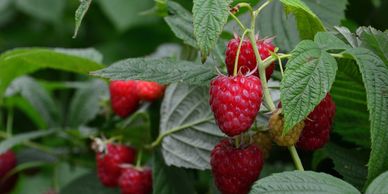
Raspberries (Rubus idaeus) are antioxidant-rich berries containing vitamin C, anthocyanins, ellagic acid, fiber, manganese, and small amounts of vitamin K and folate. Together, these nutrients support anti-inflammatory activity and optimized cellular function.
Vitamin C helps neutralize free radicals that drive oxidative stress and inflammation. It also supports collagen production and immune cell function, helping maintain strong connective tissue and efficient repair processes.
Anthocyanins (the red pigments in raspberries) act as powerful antioxidants. They help reduce oxidative damage inside cells and calm inflammatory signaling pathways, protecting cellular membranes and DNA.
Ellagic acid is a polyphenol with strong anti-inflammatory properties. It helps regulate cellular stress responses and supports the activation of the body’s internal antioxidant defense systems, increasing cellular resilience.
Fiber is especially abundant in raspberries. When fermented by beneficial gut bacteria, it produces short-chain fatty acids that help reduce systemic inflammation and strengthen the intestinal barrier.
Manganese supports mitochondrial antioxidant enzymes, helping protect cells from oxidative damage while supporting efficient ATP (energy) production.
Overall Cellular Benefit
When consumed regularly, raspberries may help:
- Lower oxidative stress
- Reduce inflammatory signaling
- Protect cellular structures
- Support collagen formation and tissue repair
- Enhance mitochondrial energy efficiency
In simple terms, raspberries help protect cells from damage, calm inflammation, and support strong, efficient cellular performance.
Apples
Raspberries
Apples
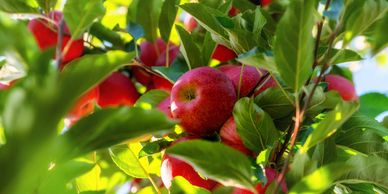
Apples (Malus domestica) are fiber-rich fruits containing vitamin C, quercetin, polyphenols, potassium, and small amounts of vitamin K and other phytonutrients. Together, these compounds support anti-inflammatory activity and healthy cellular metabolism.
Vitamin C helps neutralize free radicals that contribute to oxidative stress and inflammation. It also supports collagen production and immune cell function, strengthening tissues and aiding repair at the cellular level.
Quercetin (a key flavonoid concentrated in apple skin) has strong antioxidant and anti-inflammatory properties. It helps calm inflammatory signaling pathways inside cells and supports the body’s internal antioxidant defense systems, improving cellular resilience.
Polyphenols help reduce oxidative damage and support balanced immune responses. They influence cellular signaling pathways that regulate inflammation and stress adaptation.
Fiber (especially pectin) supports gut health. When fermented by beneficial gut bacteria, it produces short-chain fatty acids that help lower systemic inflammation and strengthen the intestinal barrier, reducing inflammatory stress throughout the body.
Potassium supports proper fluid balance and electrical signaling across cell membranes, helping maintain efficient nutrient transport and cellular energy production.
Overall Cellular Benefit
When consumed regularly, apples may help:
- Reduce oxidative stress
- Calm inflammatory signaling
- Support gut-driven immune balance
- Protect cellular membranes and DNA
- Enhance mitochondrial energy efficiency
In simple terms, apples help protect cells from oxidative damage, reduce inflammation, and support steady, efficient cellular performance.
Pears
Raspberries
Apples
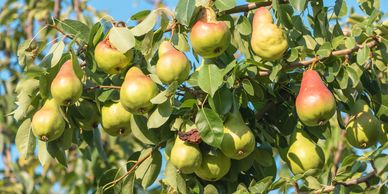
Pears (Pyrus communis) are nutrient-rich fruits containing vitamin C, fiber, potassium, polyphenols, and small amounts of vitamin K and copper. Together, these compounds support anti-inflammatory activity and healthy cellular function.
Vitamin C helps neutralize free radicals that drive oxidative stress and inflammation. It also supports collagen production and immune cell function, aiding tissue repair and maintaining cellular integrity.
Polyphenols (including flavonoids in the skin) act as antioxidants and help regulate inflammatory signaling pathways. They support the body’s internal antioxidant systems, improving cellular resilience and reducing chronic inflammatory stress.
Fiber supports gut health. When fermented by beneficial gut bacteria, it produces short-chain fatty acids that help lower systemic inflammation and strengthen the intestinal barrier.
Potassium supports proper cell membrane function and electrical signaling, aiding nutrient transport and energy production.
Overall Cellular Benefit
When consumed regularly, pears may help:
- Lower oxidative stress
- Reduce inflammatory signaling
- Support gut-driven immune balance
- Protect cellular membranes and DNA
- Enhance mitochondrial energy efficiency
In simple terms, pears help shield cells from oxidative damage, calm inflammation, and support strong, efficient cellular performance.
Transform Your Outdoor Space with Yard to Table Landscape Design
Plums
Asparagus
Cherries

Plums (Prunus domestica and related species) are nutrient-dense fruits containing vitamin C, anthocyanins, polyphenols, fiber, vitamin K, and potassium. Together, these compounds support anti-inflammatory activity and cellular protection.
Vitamin C helps neutralize free radicals that drive oxidative stress and inflammation. It also supports collagen production and immune cell function, strengthening tissues and aiding cellular repair.
Anthocyanins (the pigments in darker plums) act as potent antioxidants. They reduce oxidative damage inside cells and calm inflammatory signaling pathways, protecting membranes, proteins, and DNA.
Polyphenols help regulate cellular stress responses and support the body’s internal antioxidant defense systems, improving cellular resilience and reducing chronic inflammation.
Fiber supports gut health. When fermented by beneficial gut bacteria, it produces short-chain fatty acids that lower systemic inflammation and strengthen the intestinal barrier.
Vitamin K and potassium support calcium regulation, vascular health, and proper cell membrane function, helping cells maintain efficient energy production.
Overall Cellular Benefit
When consumed regularly, plums may help:
- Reduce oxidative stress
- Calm inflammatory signaling
- Protect cellular membranes and DNA
- Support collagen formation and tissue repair
- Enhance mitochondrial energy efficiency
In simple terms, plums help protect cells from oxidative damage, reduce inflammation, and support strong, efficient cellular performance.
Cherries
Asparagus
Cherries
Cherries (Prunus avium and Prunus cerasus) are nutrient-rich fruits containing vitamin C, anthocyanins, polyphenols, fiber, potassium, and small amounts of vitamin A and manganese. Together, these compounds support anti-inflammatory activity and cellular protection.
Vitamin C helps neutralize free radicals that contribute to oxidative stress and inflammation. It also supports collagen production and immune cell function, aiding tissue repair and maintaining cellular integrity.
Anthocyanins (responsible for the deep red color) are powerful antioxidants. They help reduce oxidative damage inside cells and calm inflammatory signaling pathways, protecting cell membranes, proteins, and DNA.
Polyphenols regulate cellular stress responses and activate the body’s internal antioxidant defense systems, enhancing cellular resilience and reducing chronic inflammation.
Fiber supports gut health. When fermented by beneficial gut bacteria, it produces short-chain fatty acids that help lower systemic inflammation and strengthen the intestinal barrier.
Potassium and manganese support proper cell membrane function, mitochondrial energy production, and antioxidant enzyme activity, helping cells generate energy efficiently and resist oxidative damage.
Overall Cellular Benefit
When consumed regularly, cherries may help:
- Reduce oxidative stress
- Calm inflammatory signaling
- Protect cellular membranes and DNA
- Support collagen formation and tissue repair
- Enhance mitochondrial energy efficiency
In simple terms, cherries help shield cells from oxidative damage, lower inflammation, and support strong, efficient cellular performance.
Asparagus
Asparagus
Asparagus
Asparagus (Asparagus officinalis) is a nutrient-dense vegetable rich in vitamin C, vitamin K, folate, fiber, polyphenols, and minerals such as potassium and manganese. Together, these compounds support anti-inflammatory activity and cellular optimization.
Vitamin C acts as a powerful antioxidant, neutralizing free radicals that contribute to oxidative stress and inflammation. It also supports collagen synthesis and immune cell function, aiding tissue repair and maintaining cellular integrity.
Vitamin K supports proper calcium regulation, blood vessel health, and tissue repair, helping reduce inflammatory stress at the cellular level.
Folate is essential for DNA synthesis and repair, supporting healthy cell division and cellular resilience.
Polyphenols (including flavonoids and saponins) help regulate inflammatory pathways and activate the body’s internal antioxidant defense systems, protecting cells from oxidative damage.
Fiber supports gut health. When fermented by gut bacteria, fiber produces short-chain fatty acids that lower systemic inflammation and strengthen the intestinal barrier.
Potassium and manganese support proper cell membrane function, mitochondrial energy production, and antioxidant enzyme activity, promoting efficient cellular metabolism.
Overall Cellular Benefit
When consumed regularly, asparagus may help:
- Reduce oxidative stress
- Calm inflammatory signaling
- Support DNA repair and tissue integrity
- Strengthen gut-driven immune balance
- Enhance mitochondrial energy efficiency
In simple terms, asparagus helps protect cells from oxidative damage, reduce inflammation, and support strong, efficient cellular performance.
Sunchokes
Horseradish
Asparagus
Sunchokes (Helianthus tuberosus), also known as Jerusalem artichokes, are nutrient-rich tubers containing vitamin C, potassium, iron, inulin (a prebiotic fiber), and polyphenols. Together, these compounds support anti-inflammatory activity and cellular optimization.
Vitamin C acts as a powerful antioxidant, neutralizing free radicals that drive oxidative stress and inflammation. It also supports collagen production and immune cell function, helping maintain tissue repair and cellular integrity.
Inulin (prebiotic fiber) promotes gut health by feeding beneficial bacteria. Fermentation produces short-chain fatty acids that reduce systemic inflammation and strengthen the intestinal barrier, lowering inflammatory stress throughout the body.
Polyphenols help regulate inflammatory signaling pathways and activate the body’s internal antioxidant defense systems, improving cellular resilience and protecting cells from oxidative damage.
Potassium and iron support proper cell membrane function, oxygen delivery, and mitochondrial energy production, helping cells maintain efficient metabolism.
Overall Cellular Benefit
When consumed regularly, sunchokes may help:
- Reduce oxidative stress
- Calm inflammatory signaling
- Support gut-driven immune balance
- Protect cellular structures
- Enhance mitochondrial energy efficiency
In simple terms, sunchokes help shield cells from oxidative damage, reduce inflammation, and support strong, efficient cellular performance.
Rhubarb
Horseradish
Horseradish
Rhubarb (Rheum rhabarbarum) is a nutrient-rich vegetable (often used as a fruit in cooking) containing vitamin C, vitamin K, fiber, anthraquinones, and small amounts of potassium and manganese. Together, these compounds support anti-inflammatory activity and cellular health.
Vitamin C acts as a potent antioxidant, neutralizing free radicals that contribute to oxidative stress and inflammation. It also supports collagen synthesis and immune cell function, helping maintain tissue repair and cellular integrity.
Vitamin K supports proper calcium regulation, vascular health, and tissue repair, helping reduce inflammatory stress at the cellular level.
Fiber supports gut health. When fermented by beneficial gut bacteria, it produces short-chain fatty acids that help lower systemic inflammation and strengthen the intestinal barrier.
Anthraquinones and polyphenols are plant compounds with antioxidant and anti-inflammatory properties. They help regulate cellular stress responses and activate the body’s internal defense systems, improving cellular resilience and protecting against oxidative damage.
Potassium and manganese support proper cell membrane function, mitochondrial energy production, and antioxidant enzyme activity, promoting efficient cellular metabolism.
Overall Cellular Benefit
When consumed regularly, rhubarb may help:
- Reduce oxidative stress
- Calm inflammatory signaling
- Support collagen formation and tissue repair
- Strengthen gut-driven immune balance
- Enhance mitochondrial energy efficiency
In simple terms, rhubarb helps protect cells from oxidative damage, reduce inflammation, and support strong, efficient cellular performance.
Horseradish
Horseradish
Horseradish
Horseradish (Armoracia rusticana) is a pungent root vegetable rich in vitamin C, glucosinolates, fiber, and potassium. Together, these compounds support anti-inflammatory activity and cellular protection.
Vitamin C acts as a strong antioxidant, neutralizing free radicals that contribute to oxidative stress and inflammation. It also supports collagen production and immune cell function, aiding tissue repair and maintaining cellular integrity.
Glucosinolates are sulfur-containing compounds that are converted into bioactive isothiocyanates. These compounds help regulate inflammatory pathways, activate cellular detoxification enzymes, and support antioxidant defense systems, protecting cells from oxidative damage.
Fiber supports gut health. When fermented by beneficial gut bacteria, it produces short-chain fatty acids that help reduce systemic inflammation and strengthen the intestinal barrier.
Potassium supports proper cell membrane function, fluid balance, and nutrient transport, helping cells maintain efficient energy production.
Overall Cellular Benefit
When consumed regularly, horseradish may help:
- Reduce oxidative stress
- Calm inflammatory signaling
- Support cellular detoxification processes
- Strengthen gut-driven immune balance
- Enhance mitochondrial energy efficiency
In simple terms, horseradish helps protect cells from oxidative damage, lower inflammation, and support efficient, resilient cellular performance.
Mint
Lavender
Chives
Mint (Mentha species, such as peppermint and spearmint) is an aromatic herb rich in antioxidants, polyphenols, vitamin C, and small amounts of vitamin A, iron, and fiber. Together, these compounds support anti-inflammatory activity and cellular protection.
Vitamin C acts as a potent antioxidant, neutralizing free radicals that contribute to oxidative stress and inflammation. It also supports collagen synthesis and immune cell function, aiding tissue repair and maintaining cellular integrity.
Polyphenols (including rosmarinic acid and flavonoids) help regulate inflammatory pathways and activate the body’s internal antioxidant defense systems, protecting cells from oxidative damage and supporting cellular resilience.
Vitamin A and iron support immune function, cellular repair, and proper oxygen delivery to tissues, helping cells maintain metabolic efficiency.
Fiber (though present in small amounts) supports gut health. Fermentation by gut bacteria produces short-chain fatty acids that help reduce systemic inflammation and strengthen the intestinal barrier.
Overall Cellular Benefit
When consumed regularly, mint may help:
- Reduce oxidative stress
- Calm inflammatory signaling
- Protect cellular membranes and DNA
- Support gut-driven immune balance
- Enhance cellular resilience and metabolic efficiency
In simple terms, mint helps shield cells from oxidative damage, lower inflammation, and support strong, efficient cellular function throughout the body.
Chives
Lavender
Chives
Chives (Allium schoenoprasum), highlighting their unique benefits:
Chives are a flavorful herb rich in vitamin C, vitamin K, flavonoids, sulfur-containing compounds, and trace minerals like potassium and calcium. Together, these nutrients help reduce inflammation and support cellular health.
Vitamin C serves as a strong antioxidant, neutralizing free radicals that can damage cells and trigger inflammation. It also aids immune function and supports collagen production, promoting tissue repair.
Flavonoids and sulfur compounds (similar to those in garlic and onions) help regulate inflammatory pathways and enhance the activity of detoxifying enzymes. These compounds support the body’s natural antioxidant defenses, protecting cellular DNA, membranes, and proteins from oxidative stress.
Vitamin K contributes to proper blood clotting and bone health and supports vascular and cellular signaling pathways that reduce chronic inflammatory stress.
Potassium and calcium help maintain electrolyte balance, support proper nerve and muscle signaling, and optimize energy production at the cellular level.
Overall Cellular Benefit
When eaten regularly, chives may help:
- Protect cells from oxidative damage
- Reduce inflammatory signaling in tissues
- Support detoxification pathways and metabolic efficiency
- Enhance immune and gut-related health
- Promote overall cellular resilience and energy production
In simple terms, chives not only add flavor but also help shield your cells from damage, calm inflammation, and support energy-efficient, healthy cellular function.
Lavender
Lavender
Lemon Balm
Lavender (Lavandula angustifolia) is an aromatic herb known for its calming scent, but it also contains polyphenols, flavonoids, vitamin C, and small amounts of iron and manganese. Together, these compounds support anti-inflammatory activity and cellular protection.
Polyphenols and flavonoids in lavender, including rosmarinic acid, act as antioxidants that neutralize free radicals and reduce oxidative stress inside cells. They help regulate inflammatory pathways and support the body’s natural antioxidant defense systems, protecting cellular membranes, proteins, and DNA.
Vitamin C contributes to antioxidant protection, supports collagen synthesis, and enhances immune cell function, aiding tissue repair and cellular resilience.
Iron and manganese support mitochondrial energy production and antioxidant enzyme activity, helping cells maintain efficient metabolism and defend against oxidative damage.
Essential oils in lavender, while primarily aromatic, also exhibit mild anti-inflammatory and antimicrobial properties that may indirectly support cellular health and reduce systemic inflammatory signaling.
Overall Cellular Benefit
When used regularly (in culinary forms, teas, or extracts), lavender may help:
- Lower oxidative stress
- Reduce inflammatory signaling
- Protect cellular structures and DNA
- Support mitochondrial energy efficiency
- Promote relaxation and indirectly reduce stress-related cellular inflammation
In simple terms, lavender helps protect cells from oxidative damage, calm inflammation, and support overall cellular and metabolic balance, with the added benefit of stress modulation.
Lemon Balm
Lemon Balm
Lemon Balm
Lemon balm (Melissa officinalis) is a lemon-scented herb rich in polyphenols (especially rosmarinic acid), flavonoids, vitamin C, and small amounts of potassium and magnesium. Together, these compounds support anti-inflammatory activity, antioxidant protection, and healthy cellular signaling.
Rosmarinic acid and other polyphenols are the primary active compounds in lemon balm. They act as strong antioxidants, neutralizing free radicals and reducing oxidative stress inside cells. They also help regulate inflammatory signaling pathways, lowering the production of pro-inflammatory mediators and enhancing the body’s internal antioxidant defense systems.
Flavonoids support cellular resilience by modulating stress-response pathways and protecting cell membranes and DNA from oxidative damage.
Vitamin C contributes additional antioxidant protection, supports immune cell function, and aids collagen synthesis, helping maintain tissue integrity and repair processes.
Magnesium and potassium support proper nerve signaling, muscle function, and cellular electrolyte balance, which helps optimize energy production and reduce stress-related cellular strain.
Overall Cellular Benefit
When consumed regularly (as tea, fresh herb, or extract), lemon balm may help:
- Reduce oxidative stress
- Calm inflammatory signaling
- Support balanced immune responses
- Protect cellular membranes and DNA
- Promote relaxation and reduce stress-related cellular inflammation
In simple terms, lemon balm helps shield cells from oxidative damage, lower inflammation, and support balanced, efficient cellular function—while also promoting calm, which further benefits overall cellular health.
Oregano
Lemon Balm
Chamomile
Oregano (Origanum vulgare) is a potent culinary and medicinal herb rich in polyphenols (especially carvacrol and thymol), flavonoids, vitamin K, vitamin C, and small amounts of fiber and manganese. Together, these compounds strongly support anti-inflammatory activity and cellular protection.
Carvacrol and thymol are the primary bioactive compounds in oregano. They act as powerful antioxidants and help regulate inflammatory pathways inside cells. These compounds support detoxification enzymes and reduce the production of pro-inflammatory signaling molecules, protecting cellular membranes and DNA from oxidative stress.
Flavonoids further enhance antioxidant defenses by activating the body’s internal protective systems, increasing cellular resilience against chronic inflammatory load.
Vitamin K supports proper calcium regulation, vascular health, and cellular signaling processes that reduce inflammatory stress.
Vitamin C adds additional antioxidant protection and supports immune function and tissue repair.
Manganese plays a key role in mitochondrial antioxidant enzymes, helping protect cells during energy production and supporting efficient ATP synthesis.
Overall Cellular Benefit
When consumed regularly (fresh, dried, or as culinary oil in moderation), oregano may help:
- Reduce oxidative stress
- Calm inflammatory signaling pathways
- Support cellular detoxification processes
- Protect cell membranes and DNA
- Enhance mitochondrial energy efficiency
In simple terms, oregano is a highly protective herb that helps shield cells from oxidative damage, regulate inflammation, and support efficient, resilient cellular performance.
Chamomile
Lemon Balm
Chamomile
Chamomile (Matricaria chamomilla and Chamaemelum nobile) is a gentle medicinal herb rich in flavonoids (especially apigenin), polyphenols, small amounts of vitamin C, and trace minerals. Together, these compounds support anti-inflammatory activity, antioxidant protection, and cellular relaxation responses.
Apigenin and other flavonoids are the primary active compounds in chamomile. They act as antioxidants that neutralize free radicals and help regulate inflammatory signaling pathways inside cells. Apigenin is known to modulate cellular stress responses, supporting balanced immune activity and reducing excessive inflammatory signaling.
Polyphenols enhance the body’s internal antioxidant systems, helping protect cellular membranes, proteins, and DNA from oxidative damage.
Vitamin C contributes additional antioxidant support and aids tissue repair and immune cell function.
Mild calming phytochemicals in chamomile help regulate nervous system activity. By reducing stress-related signaling (such as excess cortisol activity), chamomile may indirectly lower inflammation driven by chronic stress.
Overall Cellular Benefit
When consumed regularly (commonly as tea or extract), chamomile may help:
- Reduce oxidative stress
- Calm inflammatory signaling
- Support balanced immune responses
- Protect cellular structures
- Lower stress-related cellular inflammation
In simple terms, chamomile helps protect cells from damage, reduce inflammation, and promote a calm internal environment that supports efficient and resilient cellular function.
Create Your Dream Outdoor Space with Yard to Table Landscape Design!
Echinacea
Anise Hyssop
Anise Hyssop
Echinacea (Echinacea purpurea and related species) is a medicinal herb rich in polysaccharides, alkamides, flavonoids, vitamin C, and trace minerals. Together, these compounds support anti-inflammatory activity, immune regulation, and cellular protection.
Polysaccharides in echinacea stimulate immune cells and support balanced immune responses. They help modulate inflammation by enhancing the body’s natural defenses without overactivating inflammatory pathways.
Alkamides are bioactive compounds that influence cannabinoid receptors in immune cells. They help regulate inflammatory signaling, reduce pro-inflammatory cytokine production, and support cellular resilience.
Flavonoids provide antioxidant protection, neutralizing free radicals that cause oxidative stress and cellular damage. They also activate endogenous antioxidant defense systems.
Vitamin C supports immune function, collagen production, and antioxidant protection, helping maintain tissue integrity and cellular repair.
Trace minerals support enzymatic reactions and mitochondrial function, helping cells maintain energy efficiency and resist oxidative stress.
Overall Cellular Benefit
When consumed regularly (as teas, extracts, or supplements), echinacea may help:
- Reduce oxidative stress
- Calm inflammatory signaling
- Support balanced immune responses
- Protect cellular membranes and DNA
- Enhance mitochondrial energy efficiency
In simple terms, echinacea helps shield cells from oxidative damage, regulate inflammation, and support immune-related cellular resilience.
Anise Hyssop
Anise Hyssop
Anise Hyssop
Anise hyssop (Agastache foeniculum) is a fragrant herb rich in polyphenols, flavonoids, vitamin C, and trace minerals such as potassium and manganese. Together, these compounds support anti-inflammatory activity, antioxidant protection, and cellular resilience.
Polyphenols and flavonoids (including rosmarinic acid and other phenolic compounds) act as antioxidants that neutralize free radicals, reducing oxidative stress inside cells. They also regulate inflammatory signaling pathways, helping prevent excessive inflammation and protecting cellular membranes and DNA.
Vitamin C provides additional antioxidant protection, supports immune cell function, and aids collagen synthesis, promoting tissue repair and maintaining cellular integrity.
Potassium and manganese support proper cell membrane function, enzyme activity, and mitochondrial energy production, ensuring cells generate energy efficiently and resist oxidative damage.
Aromatic compounds in anise hyssop may also have mild anti-inflammatory and antimicrobial effects, indirectly supporting cellular health by reducing stressors in the body.
Overall Cellular Benefit
When consumed regularly (as teas, fresh leaves, or extracts), anise hyssop may help:
- Reduce oxidative stress
- Calm inflammatory signaling
- Protect cellular membranes and DNA
- Support mitochondrial energy efficiency
- Enhance immune and gut-related cellular balance
In simple terms, anise hyssop helps shield cells from oxidative damage, lower inflammation, and support strong, energy-efficient cellular function while also promoting mild immune support.
Bee Balm
Anise Hyssop
Daylilies
Bee balm (Monarda didyma) is a fragrant herb rich in polyphenols, flavonoids, vitamin C, and trace minerals such as potassium and manganese. These compounds support anti-inflammatory activity, antioxidant protection, and cellular resilience.
Polyphenols and flavonoids (including rosmarinic acid and other phenolic compounds) act as antioxidants that neutralize free radicals, reducing oxidative stress inside cells. They also help regulate inflammatory signaling pathways, protecting cell membranes, proteins, and DNA from damage.
Vitamin C adds extra antioxidant support, promotes collagen synthesis, and supports immune cell function, helping maintain tissue integrity and repair at the cellular level.
Potassium and manganese contribute to proper cell membrane function, enzyme activity, and mitochondrial energy production, helping cells generate energy efficiently and resist oxidative stress.
Essential oils in bee balm, including thymol and carvacrol, provide mild anti-inflammatory and antimicrobial effects, which may indirectly support cellular health and reduce systemic inflammatory signaling.
Overall Cellular Benefit
When consumed regularly (as teas, fresh leaves, or extracts), bee balm may help:
- Lower oxidative stress
- Calm inflammatory signaling
- Protect cellular membranes and DNA
- Support mitochondrial energy efficiency
- Enhance immune and gut-related cellular balance
In simple terms, bee balm helps shield cells from oxidative damage, reduce inflammation, and support strong, energy-efficient cellular function while also supporting immune resilience.
Daylilies
Daylilies
Daylilies
Daylilies (Hemerocallis species) are edible flowers that contain vitamin C, carotenoids, flavonoids, and trace minerals such as potassium and iron. Together, these compounds support antioxidant activity, anti-inflammatory effects, and cellular health.
Vitamin C acts as a potent antioxidant, neutralizing free radicals that contribute to oxidative stress and inflammation. It also supports collagen production and immune cell function, promoting tissue repair and cellular integrity.
Carotenoids provide antioxidant protection for cell membranes and help reduce oxidative damage, particularly in tissues exposed to high oxidative stress, such as the eyes and skin.
Flavonoids regulate inflammatory signaling pathways and support the body’s internal antioxidant defense systems, enhancing cellular resilience and protecting DNA, proteins, and membranes from oxidative stress.
Potassium and iron support proper cell membrane function, oxygen delivery, and mitochondrial energy production, helping cells maintain efficient metabolism.
Overall Cellular Benefit
When consumed (commonly as cooked flowers), daylilies may help:
- Reduce oxidative stress
- Calm inflammatory signaling
- Protect cellular membranes and DNA
- Support mitochondrial energy efficiency
- Promote tissue repair and immune balance
In simple terms, daylilies help protect cells from oxidative damage, reduce inflammation, and support efficient, resilient cellular function.
Violets
Daylilies
Violets
Violets (Viola species) are edible flowers rich in vitamin C, polyphenols, flavonoids, and small amounts of potassium and manganese. Together, these compounds support antioxidant activity, anti-inflammatory effects, and cellular health.
Vitamin C acts as a potent antioxidant, neutralizing free radicals that contribute to oxidative stress and inflammation. It also supports collagen production and immune cell function, promoting tissue repair and cellular integrity.
Polyphenols and flavonoids (including quercetin and kaempferol) help regulate inflammatory signaling pathways and activate the body’s internal antioxidant defense systems. This protects cellular membranes, proteins, and DNA from oxidative damage.
Potassium and manganese support proper cell membrane function, mitochondrial energy production, and antioxidant enzyme activity, helping cells maintain efficient metabolism and resist oxidative stress.
Aromatic compounds in violets may also provide mild anti-inflammatory and antimicrobial benefits, indirectly supporting cellular health.
Overall Cellular Benefit
When consumed (as fresh flowers, teas, or extracts), violets may help:
- Reduce oxidative stress
- Calm inflammatory signaling
- Protect cellular membranes and DNA
- Support mitochondrial energy efficiency
- Promote immune and tissue resilience
In simple terms, violets help shield cells from oxidative damage, reduce inflammation, and support strong, energy-efficient cellular function.
Roses
Daylilies
Violets
Roses (Rosa species, especially the petals of culinary or medicinal varieties) are edible flowers rich in vitamin C, polyphenols, flavonoids, and trace minerals such as potassium and manganese. Together, these compounds support antioxidant activity, anti-inflammatory effects, and cellular health.
Vitamin C is a strong antioxidant that neutralizes free radicals, reducing oxidative stress and inflammation. It also supports collagen synthesis, immune cell function, and tissue repair, helping maintain cellular integrity.
Polyphenols and flavonoids (including quercetin and kaempferol) help regulate inflammatory pathways, activate internal antioxidant defenses, and protect cell membranes, proteins, and DNA from oxidative damage.
Potassium and manganese support proper cell membrane function, mitochondrial energy production, and antioxidant enzyme activity, helping cells generate energy efficiently and resist oxidative stress.
Aromatic compounds in rose petals also exhibit mild anti-inflammatory and antimicrobial effects, which can indirectly support overall cellular health.
Overall Cellular Benefit
When consumed (as fresh petals, teas, or extracts), roses may help:
- Lower oxidative stress
- Calm inflammatory signaling
- Protect cellular membranes and DNA
- Support mitochondrial energy efficiency
- Promote tissue repair and immune resilience
In simple terms, roses help protect cells from oxidative damage, reduce inflammation, and support strong, energy-efficient cellular function.
Purslane
Purslane
Purslane
Purslane (Portulaca oleracea) is a nutrient-dense leafy green rich in omega-3 fatty acids, vitamin C, vitamin A, alpha-linolenic acid, polyphenols, and minerals such as magnesium, potassium, and manganese. Together, these compounds support anti-inflammatory activity, antioxidant protection, and cellular health.
Omega-3 fatty acids (ALA) are rare in plants and help reduce inflammatory signaling at the cellular level. They support membrane fluidity and cellular communication, which is critical for healthy immune and metabolic responses.
Vitamin C and vitamin A act as antioxidants, neutralizing free radicals and reducing oxidative stress. Vitamin A also supports tissue repair and maintains healthy mucous membranes, which are crucial for cellular defense.
Polyphenols provide additional antioxidant protection and regulate inflammatory pathways, helping cells resist oxidative damage and maintain resilience.
Magnesium, potassium, and manganese support proper cell membrane function, mitochondrial energy production, and enzymatic antioxidant defenses, promoting efficient cellular metabolism.
Overall Cellular Benefit
When consumed regularly (fresh in salads or lightly cooked), purslane may help:
- Reduce oxidative stress
- Calm inflammatory signaling
- Protect cell membranes and DNA
- Support mitochondrial energy production
- Enhance immune and tissue resilience
In simple terms, purslane helps shield cells from oxidative damage, lower inflammation, and support strong, energy-efficient cellular function, with the added benefit of plant-based omega-3s for anti-inflammatory support.
Plantain
Purslane
Purslane
Plantain (Plantago major and Plantago lanceolata) is a nutrient-rich herbaceous plant containing vitamin C, flavonoids, polyphenols, mucilage, and minerals such as potassium, calcium, and magnesium. Together, these compounds support anti-inflammatory activity, antioxidant protection, and cellular health.
Vitamin C acts as a strong antioxidant, neutralizing free radicals that cause oxidative stress and inflammation. It also supports collagen production and immune cell function, aiding tissue repair and cellular integrity.
Flavonoids and polyphenols help regulate inflammatory signaling pathways and activate the body’s internal antioxidant defense systems, protecting cellular membranes, proteins, and DNA from oxidative damage.
Mucilage provides soothing effects for mucous membranes and supports gut health. It helps reduce local inflammation and can indirectly lower systemic inflammatory stress.
Potassium, calcium, and magnesium support proper cell membrane function, mitochondrial energy production, and enzymatic activity, enhancing cellular metabolism and resilience.
Overall Cellular Benefit
When consumed (fresh leaves, teas, or extracts), plantain may help:
- Reduce oxidative stress
- Calm inflammatory signaling
- Protect cellular membranes and DNA
- Support gut and tissue integrity
- Enhance mitochondrial energy efficiency
In simple terms, plantain helps protect cells from oxidative damage, reduce inflammation, and support strong, resilient cellular function while also promoting gut and tissue health.
Clover
Purslane
Mullein
Clover (Trifolium species, especially red clover, Trifolium pratense) is a flowering plant rich in isoflavones (plant phytoestrogens), polyphenols, flavonoids, vitamin C, and minerals such as magnesium and potassium. Together, these compounds support anti-inflammatory activity, antioxidant protection, and cellular health.
Isoflavones are plant-derived compounds that can modulate inflammatory pathways and act as antioxidants. They help regulate cellular stress responses and support the body’s natural defense systems, protecting cells from oxidative damage.
Polyphenols and flavonoids provide additional antioxidant protection, neutralizing free radicals and reducing oxidative stress. They also help modulate inflammatory signaling, protecting cell membranes, proteins, and DNA.
Vitamin C supports immune cell function, collagen synthesis, and antioxidant defenses, promoting tissue repair and cellular resilience.
Magnesium and potassium aid proper cell membrane function, mitochondrial energy production, and enzymatic antioxidant activity, helping cells maintain efficient metabolism.
Overall Cellular Benefit
When consumed (as teas, sprouts, or edible flowers), clover may help:
- Reduce oxidative stress
- Calm inflammatory signaling
- Protect cellular membranes and DNA
- Support mitochondrial energy efficiency
- Promote tissue repair and immune balance
In simple terms, clover helps shield cells from oxidative damage, lower inflammation, and support strong, efficient cellular function while offering mild phytoestrogenic benefits that may influence cellular signaling.
Mullein
Mullein
Mullein
Mullein (Verbascum thapsus) is a medicinal herb rich in flavonoids, saponins, phenolic compounds, mucilage, and small amounts of vitamin C and potassium. Together, these compounds support anti-inflammatory activity, antioxidant protection, and cellular health.
Flavonoids and phenolic compounds act as antioxidants, neutralizing free radicals and reducing oxidative stress inside cells. They also help regulate inflammatory signaling pathways, protecting cellular membranes, proteins, and DNA from damage.
Saponins support immune modulation and cellular detoxification processes, helping the body manage inflammatory responses efficiently.
Mucilage provides soothing effects for mucous membranes and gut lining, helping reduce localized inflammation and indirectly lowering systemic inflammatory stress.
Vitamin C and potassium support immune function, tissue repair, proper cell membrane function, and mitochondrial energy production, enhancing cellular resilience.
Overall Cellular Benefit
When consumed (commonly as teas or extracts), mullein may help:
- Reduce oxidative stress
- Calm inflammatory signaling
- Support cellular detoxification and tissue repair
- Protect cell membranes and DNA
- Enhance mitochondrial energy efficiency
In simple terms, mullein helps protect cells from oxidative damage, lower inflammation, and support resilient, efficient cellular function while promoting gut and respiratory health.
Grapes
Mullein
Grapes
Grapes (Vitis vinifera) are nutrient-rich fruits containing vitamin C, vitamin K, polyphenols (including resveratrol and flavonoids), fiber, and potassium. Together, these compounds support anti-inflammatory activity, antioxidant protection, and cellular health.
Resveratrol and flavonoids are powerful antioxidants that help neutralize free radicals, reduce oxidative stress, and regulate inflammatory signaling pathways. They support cellular resilience and protect DNA, proteins, and membranes from oxidative damage.
Vitamin C provides additional antioxidant protection, supports immune function, and aids collagen synthesis, helping maintain tissue integrity and repair.
Vitamin K contributes to proper calcium regulation, vascular health, and cellular signaling, reducing inflammatory stress at the cellular level.
Fiber and potassium support gut health, maintain electrolyte balance, and optimize nutrient transport. Fermented fiber produces short-chain fatty acids that lower systemic inflammation and strengthen the intestinal barrier.
Overall Cellular Benefit
When consumed regularly (fresh, dried, or in juice), grapes may help:
- Reduce oxidative stress
- Calm inflammatory signaling
- Protect cellular membranes and DNA
- Support mitochondrial energy efficiency
- Promote gut and tissue health
In simple terms, grapes help shield cells from oxidative damage, reduce inflammation, and support strong, energy-efficient cellular function.